Is Your Smile Problem Actually Right for Invisalign
Many patients ask the same question before booking a consultation. Is your smile problem actually right for Invisalign in Highlands Ranch? It is a fair question — and the answer is not always a simple yes or no. Invisalign works beautifully for many common issues. But some cases need a different approach entirely. Understanding where you fall can save you time, money, and frustration.
At Chiu Aesthetics, Dr. Dave Chiu helps patients across Highlands Ranch figure out whether clear aligners are the right fit. This article walks you through what Invisalign can correct, what it struggles with, and when another treatment makes more sense.
What Smile Problems Can Invisalign Actually Fix in Highlands Ranch?
Invisalign has come a long way since it first launched. Today, it handles a wide range of alignment concerns that once required traditional metal braces. The technology has improved significantly over the past decade.
Here are the most common issues Invisalign treats effectively:
- Mild to moderate crowding — When teeth overlap or push against each other
- Spacing gaps — Extra space between teeth that affects your smile line
- Mild overbite — When your upper teeth extend too far over your lower teeth
- Mild underbite — When your lower teeth sit in front of your upper teeth
- Crossbite — When upper and lower teeth do not align correctly side to side
- Open bite — When upper and lower teeth do not touch when your mouth closes
These conditions are very common in adults and teens. Many Highlands Ranch patients discover they are excellent candidates during their first appointment. Early evaluation makes a real difference in outcome.
When Invisalign May Not Be the Right Fit
Invisalign is impressive, but it does have limits. Not every smile problem responds well to clear aligners. Knowing this upfront helps you set realistic expectations.
Severe crowding is one of the biggest limitations. When teeth are dramatically rotated or heavily overlapping, aligners may not generate enough force. Traditional braces apply continuous pressure that clear aligners cannot always replicate.
Complex bite issues also present challenges. Severe overbites, underbites, or skeletal jaw misalignments often need more than orthodontic movement alone. Some of those cases require surgical intervention alongside orthodontic care.
Invisalign also depends heavily on patient cooperation. You must wear your aligners 20 to 22 hours every day. Patients who frequently remove them or lose trays will not see the expected results. Teens and adults who struggle with consistency may find traditional braces a more reliable path.
Comparing Invisalign to Traditional Braces for Highlands Ranch Patients
Both Invisalign and traditional braces move teeth using consistent force over time. The key difference is how that force gets applied. Understanding this comparison helps you decide.
Traditional braces use brackets bonded to each tooth. Connected wires apply tension that gradually shifts your teeth. Orthodontists adjust those wires at regular appointments throughout your treatment.
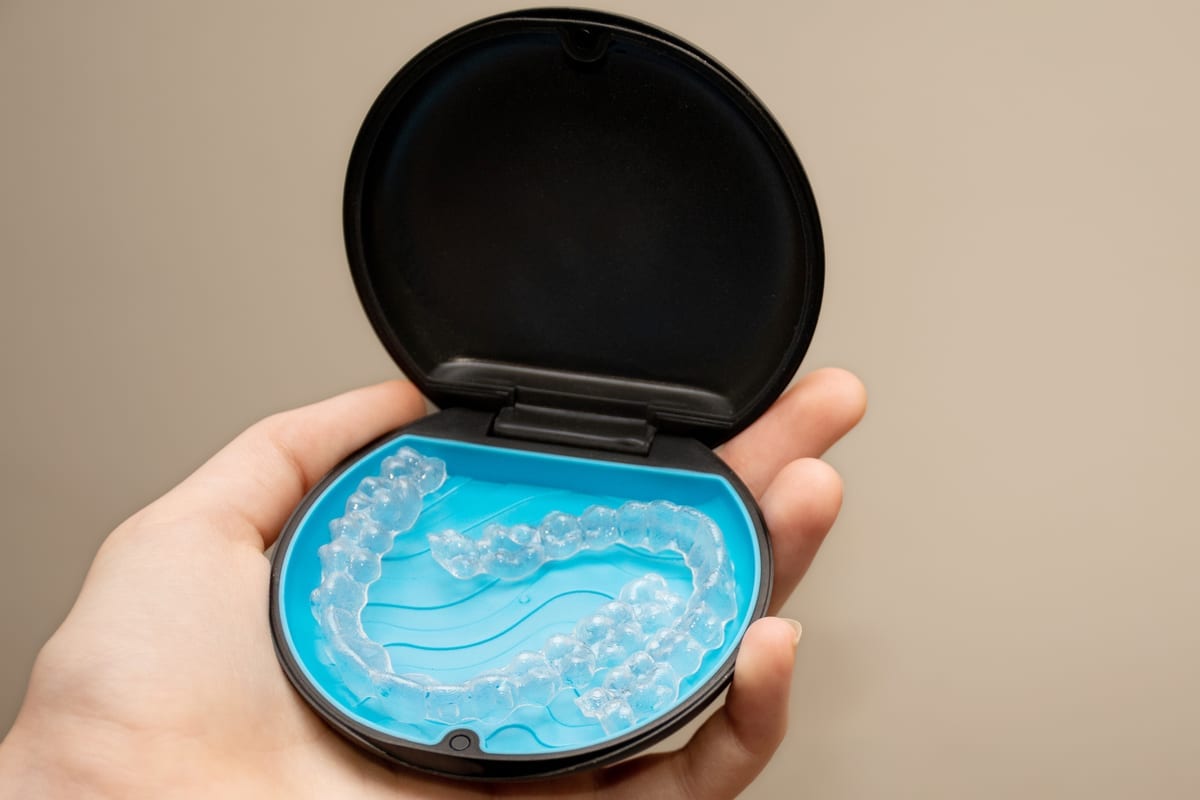
Invisalign uses a series of custom plastic trays. You swap trays every one to two weeks at home. You still visit the office regularly, but adjustments happen through the trays themselves rather than through wire tightening.
Here is a quick side-by-side overview:
- Invisalign — Nearly invisible, removable for eating and cleaning, best for mild to moderate cases
- Traditional braces — More visible, fixed to teeth, better for complex or severe alignment issues
- Treatment time — Both typically range from 12 to 24 months depending on the case
- Compliance required — Invisalign demands strict wear habits; braces work continuously without patient effort
Neither option is universally better. The right choice depends entirely on your specific dental anatomy and lifestyle. Dr. Chiu evaluates both options with every patient who comes in for a consultation.
How Cosmetic Treatments Work Alongside Invisalign
Many patients want more than just straighter teeth. They want a complete transformation. That is where combining Invisalign with cosmetic care makes sense.
Straightening your teeth first creates a better foundation for cosmetic work. Applying veneers or bonding to crooked teeth can lead to uneven results. Starting with alignment sets you up for more predictable outcomes afterward.
If you are exploring your full smile potential, Cosmetic Dentistry Highlands Ranch at Chiu Aesthetics covers a full range of options. Dr. Chiu often combines treatments to achieve results that align with each patient’s unique goals.
For smaller gaps or minor imperfections that remain after alignment, Cosmetic Bonding Highlands Ranch offers a simple and effective finishing touch. Bonding can close small spaces or reshape a tooth without extensive preparation.
What to Expect at Your Invisalign Consultation at Chiu Aesthetics
Knowing what happens during your first visit removes a lot of uncertainty. The process at Chiu Aesthetics is straightforward and patient-focused.
Dr. Dave Chiu begins with a full clinical exam. He reviews your bite, teeth spacing, and overall oral health. Digital scans or X-rays may be taken to get a complete picture.
From there, Dr. Chiu explains whether Invisalign is appropriate for your case. If it is, you will see a digital preview of your projected tooth movement. This gives you a realistic idea of your expected outcome before committing.
If Invisalign is not the best fit, Dr. Chiu will explain your alternatives clearly and without pressure. The goal is always to match you with the treatment that fits your needs — not to push one product over another.
Conclusion
Figuring out whether your smile problem is right for Invisalign takes professional evaluation. There is no shortcut or online quiz that can replace a proper clinical assessment. The good news is that many common concerns — crowding, spacing, mild bite issues — respond very well to clear aligners. Other cases need a different path, and that is completely okay. What matters most is getting accurate information before you commit. Dr. Dave Chiu and the team at Chiu Aesthetics in Highlands Ranch are here to help you make that decision with confidence. Book Now to schedule your appointment with our team.
Frequently Asked Questions
How do I know if I am a good candidate for Invisalign?
The best way to find out is through a professional evaluation. Dr. Dave Chiu will examine your teeth, bite, and jaw alignment to determine whether Invisalign can address your specific concerns. Mild to moderate crowding, spacing, and bite issues are often good candidates. Severe cases may require traditional braces instead.
Can Invisalign fix an overbite or underbite?
Invisalign can correct mild to moderate overbites and underbites in many patients. However, severe skeletal bite discrepancies may require orthodontic treatment combined with other interventions. Dr. Chiu will assess your bite precisely and explain which treatment option gives you the best outcome.
What happens if I do not wear my Invisalign trays enough?
Invisalign requires 20 to 22 hours of wear per day to work effectively. Wearing trays less than recommended slows your progress and can lead to treatment setbacks. In some cases, additional trays or extended treatment time may be needed to stay on track.
Is Invisalign suitable for teenagers?
Yes, Invisalign offers a version specifically designed for teens. However, compliance is especially important for younger patients. If a teenager is unlikely to wear the trays consistently, traditional braces may produce more predictable results. Dr. Chiu discusses this openly during consultations with teen patients and their families.
Can I combine Invisalign with other cosmetic treatments?
Absolutely. Many patients at Chiu Aesthetics combine Invisalign with treatments like veneers, dental bonding, or teeth whitening. It is usually recommended to complete orthodontic alignment first. This ensures that any cosmetic work applied afterward fits your corrected smile properly and delivers lasting results.