Why Your Teeth Won’t Whiten (And What Actually Works)
You have tried whitening strips, whitening toothpaste, and maybe even a professional treatment. Yet your smile still looks dull or discolored. If you are wondering why your teeth won’t whiten and what actually works in Highlands Ranch, the answer often comes down to one thing: the type of stain you have. Not all tooth discoloration responds to bleaching agents. Understanding the difference can save you time, money, and frustration.
Extrinsic Stains: The Kind Whitening Can Actually Fix
Extrinsic stains live on the outer surface of your enamel. They come from things you eat, drink, and do every day. Coffee, tea, red wine, and tobacco are the most common culprits. These surface stains are exactly what teeth whitening treatments are designed to target.
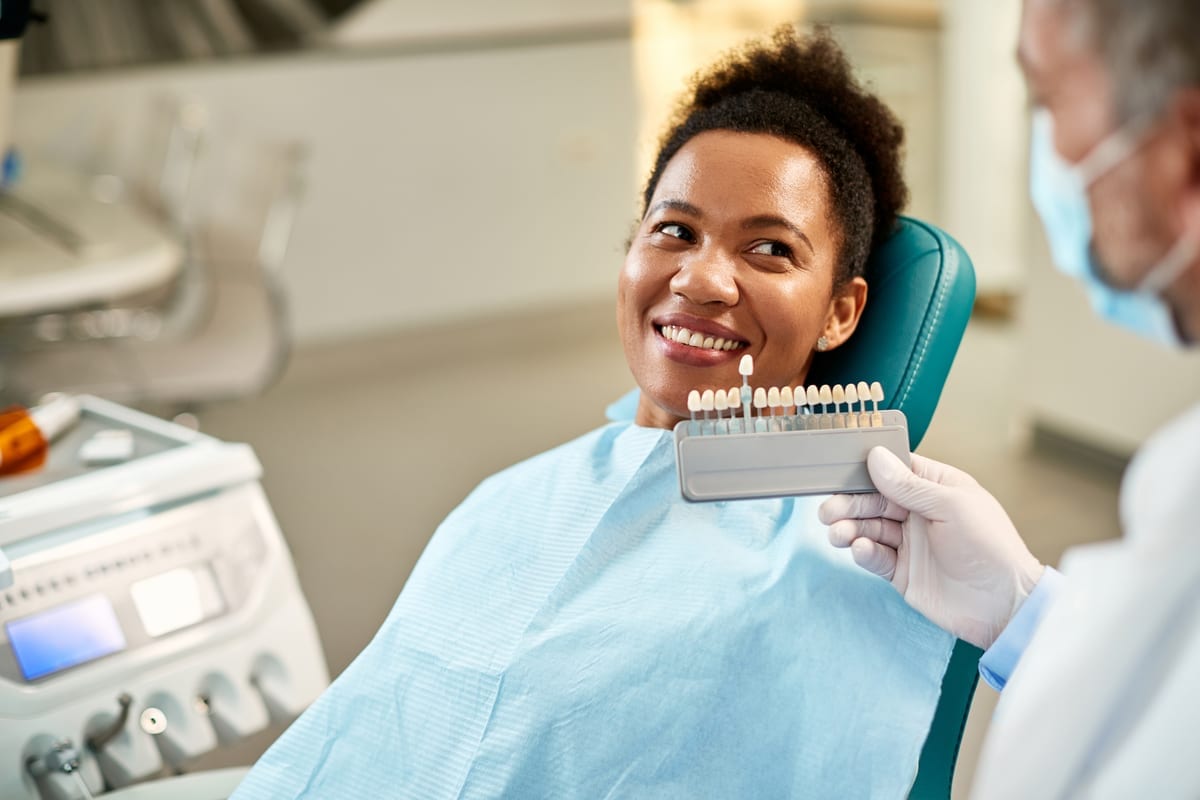
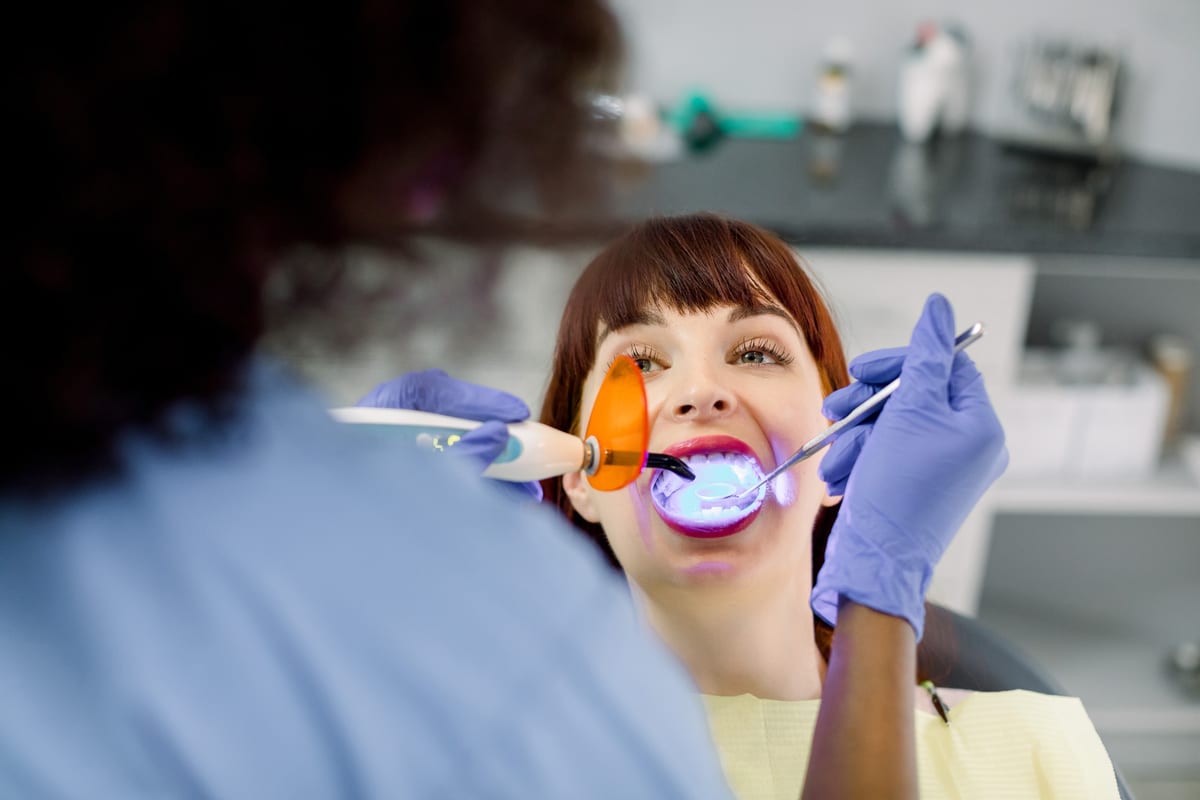
Professional whitening uses a concentrated peroxide gel to break up pigment molecules on your enamel. It works well when the discoloration is truly superficial. Most patients in Highlands Ranch see noticeable results within one or two sessions. At-home kits can also help, but professional treatments deliver faster and more even results.
Here are some common sources of extrinsic staining:
- Coffee and tea consumed daily
- Red wine and dark-colored juices
- Tobacco use — smoking or chewing
- Certain foods like berries, soy sauce, and tomato-based sauces
- Poor brushing habits that allow plaque to build up
If your stains fall into this category, whitening is likely a great option for you. Dr. Dave Chiu can assess your enamel and recommend the right level of treatment.
Why Your Teeth Won’t Whiten in Highlands Ranch: Intrinsic Stains Explained
Intrinsic stains are a very different story. These stains develop inside the tooth structure itself. Whitening gels cannot penetrate deep enough to change them. No matter how many strips you use, the discoloration will remain.
Intrinsic stains have several common causes. Antibiotic use during childhood — especially tetracycline — can cause deep gray or brown banding inside teeth. Excessive fluoride during tooth development leads to a condition called fluorosis. Trauma to a tooth can cause it to darken from the inside over time. These are structural changes, not surface buildup.
Aging also plays a role. As enamel thins over the years, the darker dentin underneath shows through more. This is technically not an intrinsic stain, but it behaves like one. Whitening treatments address enamel pigment, not dentin color. That is why older patients sometimes feel disappointed by whitening results.
Understanding this distinction is key. If you have tried whitening without success, an intrinsic stain is probably the reason. The good news is that effective alternatives exist.
What Actually Works for Stains That Won’t Respond to Whitening
When whitening falls short, cosmetic dentistry steps in. There are several proven solutions that cover or replace discolored tooth structure entirely. The right choice depends on the severity of staining, your overall oral health, and your smile goals.
Porcelain veneers are one of the most effective solutions for intrinsic stains. A veneer is a thin shell of porcelain bonded to the front surface of a tooth. It covers discoloration completely and creates a bright, natural-looking result. Veneers also resist future staining better than natural enamel.
For Cosmetic Bonding Highlands Ranch patients, dental bonding offers a more affordable and less invasive option. Dr. Chiu applies a tooth-colored composite resin directly to the surface of the tooth. He then shapes and polishes it to match surrounding teeth. Bonding is ideal for mild to moderate intrinsic staining and can often be completed in a single visit.
Dental crowns are another option when staining is severe or when the tooth has structural damage. A crown covers the entire visible tooth and restores both appearance and function. This approach works well when a tooth has darkened significantly after trauma or root canal treatment.
Here is a quick comparison of whitening alternatives:
- Veneers — Best for widespread or severe intrinsic staining; long-lasting; highly aesthetic
- Dental bonding — Ideal for mild cases; faster treatment; more affordable
- Crowns — Best when the tooth also has structural concerns; full coverage solution
- Combination treatments — Some patients benefit from whitening extrinsic areas first, then covering intrinsic stains with veneers or bonding
A thorough evaluation at Chiu Aesthetics helps determine which approach fits your specific situation. Dr. Chiu takes a conservative approach, recommending the least invasive effective solution first.
How Cosmetic Dentistry in Highlands Ranch Addresses All Stain Types
Cosmetic Dentistry Highlands Ranch patients have access to a full range of stain-fighting solutions under one roof. At Chiu Aesthetics, Dr. Dave Chiu combines diagnostic precision with artistic skill. He does not rely on a one-size-fits-all approach. Every smile evaluation starts with identifying the exact type and cause of discoloration.
For patients with a mix of extrinsic and intrinsic staining, a phased plan often works best. You might whiten the teeth that respond well first. Then veneers or bonding can address the areas that did not respond. This layered approach creates a more uniform, natural-looking result across your entire smile.
Highlands Ranch patients appreciate that Dr. Chiu explains every step clearly. You will understand exactly why certain treatments work for your type of staining. You will also know what results to realistically expect before any procedure begins. Informed patients make better decisions and feel more confident in their outcomes.
Whether your concern is a single stubborn tooth or full-smile discoloration, a cosmetic consultation is the smartest starting point. A brief evaluation can identify your stain type and outline a clear path forward.
Frequently Asked Questions
Can whitening toothpaste fix intrinsic stains?
No, whitening toothpaste only removes surface-level buildup and mild extrinsic stains. It does not contain enough peroxide to affect discoloration inside the tooth structure. For intrinsic stains, cosmetic treatments like veneers or bonding are far more effective options.
How do I know if my stain is intrinsic or extrinsic?
A dental exam is the most reliable way to tell. Generally, if your discoloration did not appear after a lifestyle habit like coffee or tobacco use, it may be intrinsic. If whitening treatments have not worked despite consistent use, that is another strong sign. Dr. Chiu can confirm the stain type during a consultation at Chiu Aesthetics.
Are veneers permanent?
Veneers are long-lasting but not permanent in the traditional sense. Most porcelain veneers last 10 to 20 years with proper care. They do require some enamel removal during placement, which means the tooth will always need a veneer going forward. Maintenance is straightforward — brush, floss, and attend regular checkups.
Is dental bonding a good long-term solution for stained teeth?
Dental bonding is a durable and cost-effective solution for many patients. The composite resin material can last five to ten years before needing touch-ups or replacement. It is also more prone to staining than porcelain, so limiting coffee and tea after treatment helps extend its appearance. Dr. Chiu will advise you on the best maintenance routine.
What if only one tooth is discolored?
A single discolored tooth is very common, especially after dental trauma or a root canal. Whitening rarely works on these teeth because the discoloration is internal. A crown or veneer on that one tooth is typically the most effective solution. In some cases, internal bleaching — a procedure performed from inside the tooth — can help if the pulp is no longer vital.
If you have tried whitening without success, you are not out of options. Dr. Dave Chiu and the team at Chiu Aesthetics are here to help you find a solution that actually works for your smile. Book Now to schedule your appointment with our team.