Your Veneer Care Mistakes Are Probably Costing You Thousands
Your veneer care mistakes are probably costing you thousands in Carriage Club — and most people have no idea it’s happening. Veneers are a significant investment in your smile. But without the right daily habits, they can chip, stain, and fail far sooner than they should. Dr. Dave Chiu at Chiu Aesthetics wants Carriage Club patients to get every dollar of value from their veneers. This guide breaks down exactly what you might be doing wrong and how to fix it.
The Most Common Veneer Care Mistakes in Carriage Club
Many patients leave their veneer placement appointment feeling confident. Then old habits creep back in. These habits quietly damage porcelain and composite surfaces over time.
Here are the most damaging mistakes patients make:
- Drinking coffee, red wine, or dark tea daily without rinsing after
- Biting nails or chewing on pens and hard objects
- Using whitening toothpaste with abrasive particles
- Skipping a nightguard when you grind your teeth
- Eating hard foods like ice, hard candy, or crusty bread aggressively
- Missing regular maintenance visits with your dentist
Each of these behaviors puts stress on your veneers. Porcelain is strong, but it is not indestructible. Composite veneers are even more vulnerable to staining and surface wear.
What to Avoid: Foods, Drinks, and Habits That Damage Veneers
Staining drinks are one of the biggest threats to veneer longevity. Coffee, red wine, tea, and dark sodas all contain pigments that bond to dental surfaces. While porcelain resists staining better than natural enamel, the bonding cement along the veneer edges can still discolor over time.
Use a straw when drinking dark beverages. Rinse your mouth with water immediately after. These two simple steps make a real difference in appearance over the years.
Hard foods are equally problematic. Biting directly into apples, chewing ice, or eating hard bread crusts can crack or dislodge a veneer. Cut hard fruits into small pieces. Avoid chewing ice entirely — it damages natural teeth too.
Nail biting is a habit that directly stresses the veneer bond. The repetitive pressure along the veneer edge weakens the adhesive layer. This is one of the most overlooked causes of early veneer failure among patients in Carriage Club.
Products That Actually Help Protect Your Veneers
The right products protect your investment. Not all dental products are safe for veneers. Choosing wisely keeps your smile bright and your veneers intact for years longer.
Follow these product guidelines:
- Toothpaste: Choose a non-abrasive, gel-based formula. Avoid whitening toothpastes with baking soda or silica particles.
- Toothbrush: Use a soft-bristled brush only. Medium or hard bristles scratch porcelain over time.
- Mouthwash: Avoid alcohol-based rinses. They can weaken the bonding cement. Choose an alcohol-free fluoride rinse instead.
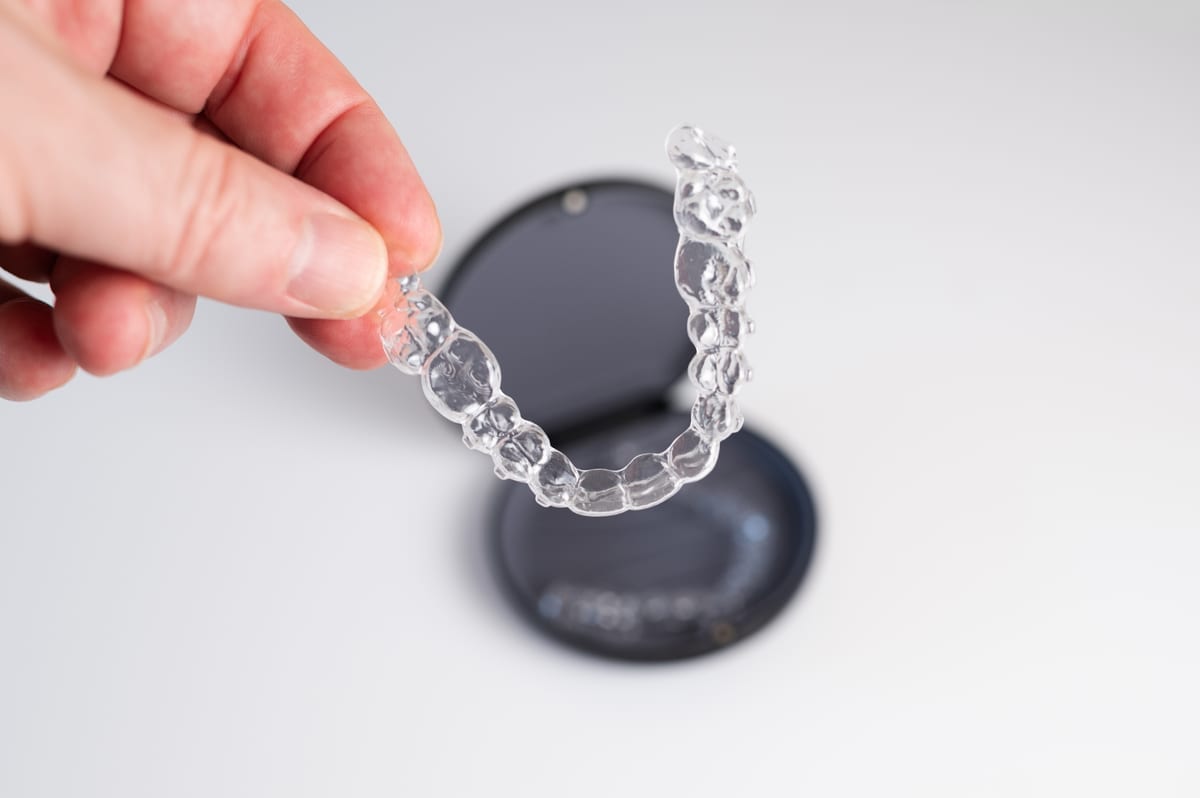
- Nightguard: If you grind your teeth, a custom nightguard is essential. It distributes pressure evenly and prevents cracking.
- Floss: Floss daily but carefully around veneer margins. Use a gentle sliding motion rather than snapping the floss.
Ask Dr. Dave Chiu which specific brands he recommends. Product quality varies widely, and personalized guidance makes a difference.
Why Maintenance Visits Matter More Than You Think
Many Carriage Club patients skip follow-up visits once their veneers look great. This is a costly mistake. Routine maintenance checks catch small issues before they become expensive problems.
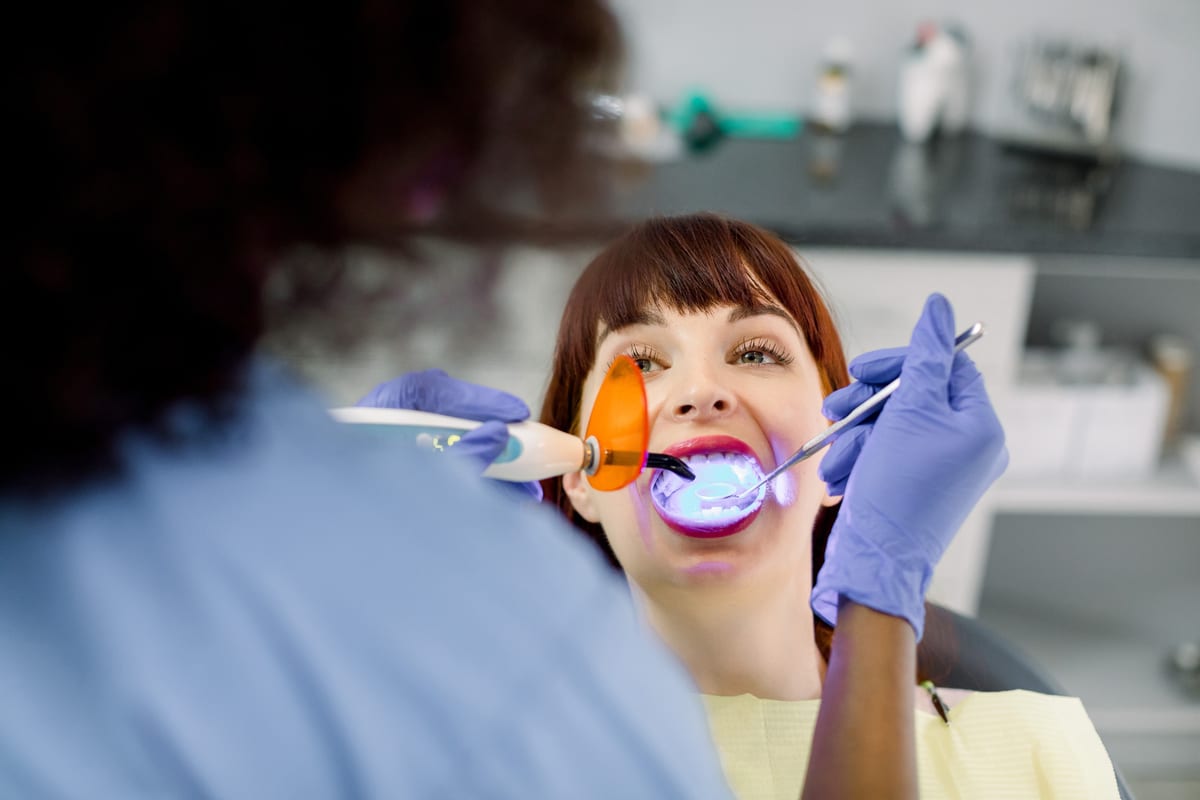
During a maintenance visit at Chiu Aesthetics, Dr. Chiu checks veneer margins for early signs of wear or separation. He also polishes veneers with non-abrasive materials to restore their luster. These visits protect the longevity of your smile investment.
Professional cleaning also removes buildup that daily brushing misses. Plaque along the gum line near veneer edges can cause gum recession over time. Receded gums expose veneer margins, which affects both aesthetics and function.
Aim for a professional cleaning and veneer check every six months. Patients who maintain this schedule get significantly more years from their veneers. Early intervention is always less expensive than replacement.
How Veneers Connect to Your Full Smile Plan
Veneers rarely exist in isolation. They are often part of a broader approach to Cosmetic Dentistry Carriage Club patients rely on for complete smile transformations. Understanding how veneers fit into your overall oral health picture helps you care for them more effectively.
For instance, patients who combine veneers with teeth whitening on surrounding natural teeth need a coordinated plan. Your natural teeth can continue to shift in shade, but veneers will not. Dr. Chiu helps patients plan treatments so results stay harmonious over time.
Some patients also pair veneers with Cosmetic Bonding Carriage Club residents ask about for minor repairs or edge refinements. Bonding can touch up small chips along veneer edges and extend the life of your investment. Ask Dr. Chiu whether bonding makes sense in your situation.
Keeping your bite aligned also matters. Misaligned bites place uneven pressure on veneers. Orthodontic treatment before veneer placement is often recommended for this reason.
Building a Daily Veneer Care Routine That Works
A consistent daily routine protects veneers better than any single product or treatment. Think of veneer care like skincare — daily discipline delivers the best long-term results.
Start with a soft-bristled brush and non-abrasive gel toothpaste every morning and night. Floss gently around veneer margins before bed. Rinse with an alcohol-free fluoride mouthwash to protect both veneers and natural teeth.
During the day, be mindful of what you eat and drink. Carry a small bottle of water to rinse after dark beverages. Cut hard foods before eating. Avoid using your teeth as tools for opening packages or bottles.
If you clench or grind at night, wear your nightguard every single night. One night without it can cause as much damage as months of grinding. Consistency is everything when it comes to protecting your smile.
Conclusion: Protect Your Smile Investment in Carriage Club
Your veneers represent real money and real confidence. The good news is that most damage is entirely preventable with the right habits and regular professional support. Dr. Dave Chiu and the team at Chiu Aesthetics are here to help Carriage Club patients get the most from their smile investments. Small changes in daily routine and consistent professional care add years to veneer lifespan. Book Now to schedule your appointment with our team.
Frequently Asked Questions
How long do veneers typically last with proper care?
Porcelain veneers can last 10 to 20 years with proper care. Composite veneers typically last 5 to 7 years. Daily habits, product choices, and regular maintenance visits all influence how long your veneers perform well.
Can I whiten my veneers if they start to look yellow?
Veneers do not respond to traditional whitening treatments. If your veneers look dull or discolored, professional polishing at your dental office can often restore their brightness. In some cases, replacement or cosmetic bonding touch-ups may be recommended.
Is it safe to use an electric toothbrush on veneers?
Yes, electric toothbrushes are safe for veneers when used with a soft brush head and gentle pressure. Avoid high-abrasion brush heads or heavy pressure settings. Always use a non-abrasive toothpaste alongside your electric brush.
What should I do if a veneer chips or feels loose?
Contact your dentist as soon as possible. Do not try to reattach a veneer at home. Dr. Chiu can assess whether the veneer can be repaired with bonding or needs replacement. Early attention usually means a simpler and less costly fix.
Do I need a nightguard if I only grind occasionally?
Even occasional grinding can damage veneers over time. A custom nightguard distributes pressure evenly and prevents concentrated stress on veneer surfaces. Dr. Chiu can assess your grinding patterns and recommend whether a nightguard is right for you.