Why Does Teeth Whitening Cause Sensitivity and How to Prevent It

Teeth whitening is one of the most popular cosmetic dental treatments in Highlands Ranch. It delivers stunning results, but many patients experience sensitivity during or after treatment. Understanding why teeth whitening causes sensitivity and how to prevent it in Highlands Ranch helps you make smarter decisions about your smile. At Chiu Aesthetics, Dr. Dave Chiu guides every patient through the process with care and education.
Why Teeth Whitening Causes Sensitivity in the First Place
Whitening products use hydrogen peroxide or carbamide peroxide as their active ingredient. These compounds penetrate the outer enamel layer of your teeth. Once inside, they reach the inner layer called dentin, which contains tiny fluid-filled channels called dentinal tubules.
These tubules connect directly to the nerve of the tooth. When the whitening agent reaches them, it can temporarily stimulate the nerve. That stimulation is what you feel as sensitivity or a brief, sharp sensation.
Not everyone experiences the same level of discomfort. Some patients feel only mild sensitivity, while others notice sharper reactions to temperature or air. Your baseline enamel thickness, gum health, and existing dental work all play a role.
Common Risk Factors That Increase Whitening Sensitivity in Highlands Ranch
Certain conditions make some patients more prone to sensitivity than others. Knowing your risk factors helps Dr. Chiu customize your whitening plan. This is one reason a professional consultation matters before starting any treatment.
Common risk factors include:
- Thin or worn enamel from grinding or acid erosion
- Exposed gum tissue or gum recession
- Pre-existing tooth sensitivity before whitening
- Cracked teeth or micro-fractures in the enamel
- Recent dental work such as fillings or crowns
- Using overly concentrated at-home whitening kits without guidance
Patients who use over-the-counter whitening strips often apply products too frequently. This can cause more irritation than professionally supervised treatments. A dentist like Dr. Chiu evaluates these factors before recommending any whitening approach.
Those interested in a broader transformation might also explore Cosmetic Dentistry Highlands Ranch options, which include treatments designed with your comfort and sensitivity in mind.
How Dr. Dave Chiu Minimizes Sensitivity During Professional Whitening
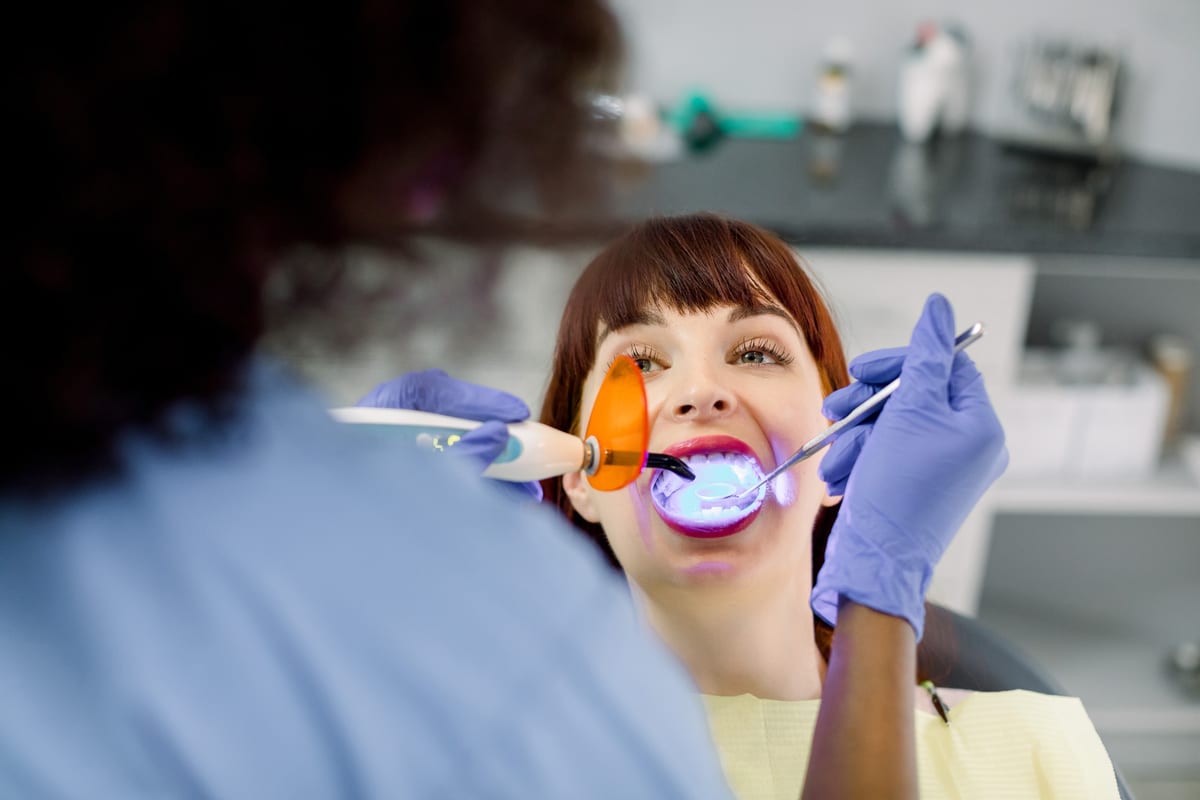
Professional whitening at Chiu Aesthetics is different from buying a kit at the drugstore. Dr. Chiu uses clinically appropriate concentrations of whitening agents. He also applies protective barriers to shield your gums before treatment begins.
Here is what a professionally managed whitening process typically involves:
- A full dental exam to assess enamel health and identify sensitivity risks
- Application of a protective gel or shield to guard gum tissue
- Use of a calibrated whitening concentration suited to your sensitivity level
- Optional desensitizing agents applied before or after treatment
- Post-treatment fluoride application to close dentinal tubules
Desensitizing treatments often contain potassium nitrate or fluoride. These ingredients calm the nerve and strengthen enamel simultaneously. Many patients report little to no discomfort when whitening is done under professional supervision.
Dr. Chiu also adjusts treatment timing and concentration for patients with known sensitivity. This patient-centered approach makes a significant difference in comfort and results.
What You Can Do at Home to Prevent and Manage Sensitivity
Your at-home habits play a big role in how comfortable whitening feels. Simple adjustments before and after treatment can significantly reduce sensitivity. Dr. Chiu shares these recommendations with every Highlands Ranch patient.
Before your whitening appointment, try these steps:
- Switch to a sensitivity-specific toothpaste at least two weeks before treatment
- Avoid acidic foods and drinks like citrus and soda in the days before whitening
- Do not brush aggressively — use a soft-bristled toothbrush
- Inform Dr. Chiu if you already experience daily sensitivity
After your whitening session, protect your teeth by avoiding extreme temperatures for 24 to 48 hours. Skip coffee, tea, and cold beverages immediately following treatment. Continue using a desensitizing toothpaste for at least a week after your appointment.
For minor discomfort after whitening, over-the-counter pain relievers are generally safe and effective. Always follow the dosage instructions on the packaging. Most sensitivity resolves completely within 24 to 72 hours after treatment.
Whitening Alternatives for Patients With Persistent Sensitivity
Some patients want a brighter smile but find whitening discomfort difficult to manage. Fortunately, there are excellent alternatives that deliver cosmetic improvements with less risk of sensitivity. Dr. Chiu takes time to discuss every option with you before recommending a treatment path.
One popular option is Cosmetic Bonding Highlands Ranch, which can cover surface stains and discoloration without peroxide. Composite resin bonding is applied directly to the tooth surface and shaped to match your smile goals. It works especially well for patients who have both staining and minor chips or gaps to address.
Veneers are another option for patients with severe discoloration that whitening cannot resolve. These thin porcelain shells cover the entire front surface of the tooth. They are custom-made and designed to match your ideal shade without any chemical whitening process.
Dr. Chiu evaluates your specific case and recommends the approach that balances results with your comfort. There is never a one-size-fits-all answer in cosmetic dentistry.
Conclusion: Brighter Smiles Without the Discomfort in Highlands Ranch
Sensitivity during teeth whitening is common, but it is not something you have to simply accept. Understanding why it happens and working with an experienced provider makes all the difference. Dr. Dave Chiu and the Chiu Aesthetics team in Highlands Ranch are committed to making your whitening experience as comfortable as possible.
Whether you prefer in-office whitening, a take-home kit, or an alternative cosmetic solution, we will create a plan tailored to your needs. Your comfort and confidence matter every step of the way. Book Now to schedule your appointment with our team.
Frequently Asked Questions
Is teeth whitening sensitivity permanent?
No, teeth whitening sensitivity is almost always temporary. Most patients experience discomfort for only 24 to 72 hours after treatment. If sensitivity persists beyond a few days, contact Dr. Chiu at Chiu Aesthetics for an evaluation.
Can I whiten my teeth if I already have sensitive teeth?
Yes, but you need professional guidance first. Dr. Dave Chiu will assess your enamel health and gum condition before recommending a whitening approach. He may suggest a lower-concentration formula or a desensitizing pre-treatment to protect your comfort.
How long does whitening sensitivity typically last?
Sensitivity after professional teeth whitening usually lasts between 24 and 72 hours. Using a desensitizing toothpaste and avoiding temperature extremes speeds up recovery. Patients who follow Dr. Chiu’s aftercare recommendations tend to recover faster.
Are at-home whitening kits safer for sensitive teeth?
Not necessarily. Over-the-counter kits can cause more sensitivity when misused because there is no professional oversight. Custom take-home trays provided by Dr. Chiu use controlled concentrations and fit precisely, which reduces the risk of gum irritation and overexposure.
What toothpaste helps with whitening sensitivity?
Toothpastes containing potassium nitrate or stannous fluoride are specifically formulated for sensitivity. Brands like Sensodyne or Colgate Sensitive Pro-Relief are widely recommended. Start using one at least two weeks before your whitening appointment for the best results.